
All Truth Is God’s Truth: Faith that Pursues Truth with Humility
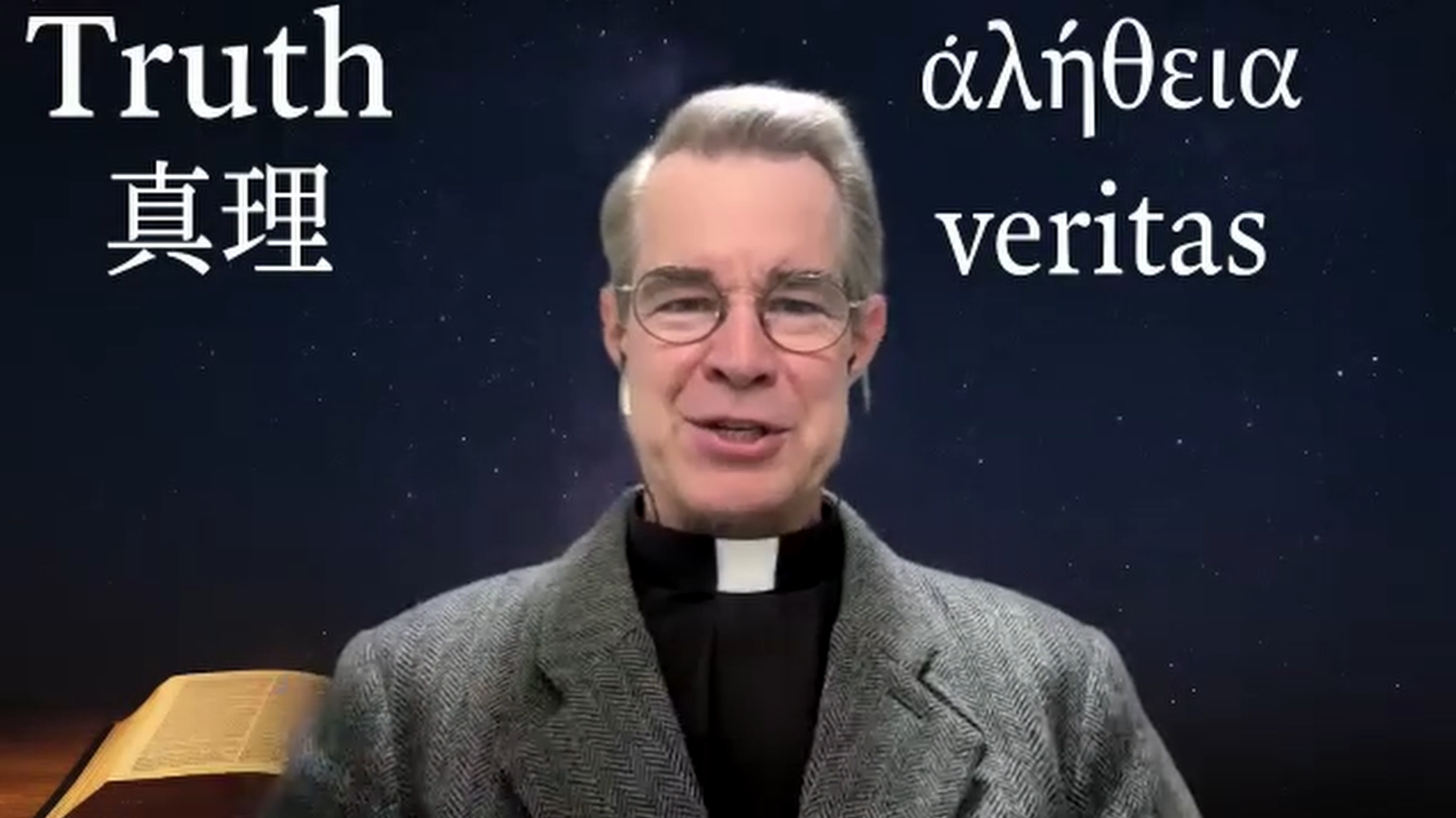
Delivered by Rev. Dr. Paul Shew on Sunday, November 23, 2025.
Key Scripture:
James 1:17-18; 2 Timothy 3:16; Romans 1:19-20
Sermon Summary:
Is Christian faith compatible with science? In the modern era, many believers feel pressured to choose between the truth of the Bible and the truth found through scientific inquiry. Unfortunately, a rise in "shallow biblicism" and anti-intellectualism within parts of the church has created a brittle system of faith, suggesting that to accept evolution or an ancient universe is to compromise God’s Word. This is a false choice. Authentic Christian faith rejects this contradiction, asserting that we can be both faithful to Jesus and honest to reason because "all truth is God’s truth".
The theological foundation for this inclusivity is found in James 1:17, where God is described as the "Father of lights". Unlike the shifting shadows of the physical heavenly bodies, God is the consistent, unchanging Source of all reality . Because the order of the universe proceeds from God, truth—whether mathematical, biological, or historical—is not a threat to faith but a gift from above.
To navigate the relationship between faith and science, the sermon calls for a recovery of the ancient Christian concept of the "Two Books": the Book of Scripture and the Book of Nature.
The First Book: Scripture While we uphold the authority of Scripture (sola scriptura), we must not reduce it to a rigid dictionary of scientific data. Paul writes in 2 Timothy 3:16 that Scripture is "God-breathed" and useful for teaching and training in righteousness. The Bible’s primary purpose is spiritual formation, not scientific information; it is the lens through which we see Jesus and the story of redemption. Forcing the poetry of Genesis to function as a biology textbook disrespects the text by asking it to answer questions it was never intended to address.
The Second Book: Nature God’s revelation did not cease when the biblical canon closed; He continues to speak through the Book of Nature . As Paul argues in Romans 1:19-20, God’s invisible attributes and eternal power are clearly perceived in the things that have been made. This "General Revelation" means that the physical universe is a theater of God’s glory. Consequently, scientific study is a valid way to know God. When scientists uncover the complexities of the cosmos or the cell, they are uncovering the footprints of the Creator.
Faith Seeking Understanding This harmony of faith and reason is deeply rooted in Christian tradition. St. Augustine argued that Christians should accept truth wherever it is found, as all truth belongs to God. John Wesley viewed reason as a divine gift essential for processing faith. In the modern era, scientists like Dr. Francis Collins exemplify this harmony, viewing their research not as a departure from God, but as a form of worship that looks over God’s shoulder at His instruction book for life.
Ultimately, fear of the truth leads to idolatry. When we reject undeniable reality to protect a small, manageable theological box, we worship a god of our own making rather than the infinite God of the universe . We must abandon the fear that God is too small to handle the complexity of His own creation. Instead, we are called to be joyful explorers, confident that the God of the Bible is also the God of the Galaxy. We are free to think, question, and explore, knowing that no matter how deep we dig, we will never reach the edge of God’s truth—we will only find more of Him.
説教要約:
すべての真理は神の真理である:謙虚に真理を追求する信仰
聖書箇所:ヤコブの手紙 1:17-18、テモテへの手紙二 3:16、ローマの信徒への手紙 1:19-20
キリスト教信仰は科学と両立するのでしょうか?現代において、多くの信徒は聖書の真理と科学的探求による真理のどちらかを選ばなければならないという圧力を感じています。残念なことに、教会の一部で「浅薄な聖書主義」や反知性主義が台頭し、進化論や宇宙の古い年齢を受け入れることは神の言葉を妥協させることだとする、脆(もろ)い信仰体系が生み出されました。本説教では、これが「誤った二者択一」であると論じます。本物のキリスト教信仰はこの矛盾を拒絶し、イエスに誠実でありながら理性にも正直であり得ると主張します。なぜなら「すべての真理は神の真理」だからです 。
この包括性の神学的基盤は、神が「光の父」として描かれているヤコブの手紙1章17節に見出されます。移ろいゆく物理的な天体とは異なり、神はすべての現実の一貫した、不変の源です 。宇宙の秩序は神に由来するため、数学的、生物学的、あるいは歴史的な真理は信仰への脅威ではなく、上からの贈り物なのです 。
信仰と科学の関係を正しく導くために、本説教は古代キリスト教の「二つの書物」という概念の回復を呼びかけます。すなわち、「聖書の書」と「自然の書」です。
第一の書:聖書 私たちは聖書の権威(聖書のみ)を支持しますが、それを科学データの硬直した辞書に縮小してはなりません。パウロはテモテへの手紙二3章16節で、聖書は「神の息吹によるもの」であり、教えや義の訓練に有益であると書いています。聖書の主な目的は、科学的な情報(インフォメーション)ではなく、霊的な形成(フォーメーション)です。それはイエスと救いの物語を見るためのレンズです。創世記の詩的な記述に生物学の教科書としての機能を強いることは、聖書が意図していなかった問いに答えるよう求めることであり、聖書を軽視することになります。
第二の書:自然 神の啓示は聖書の正典が閉じたときに終わったわけではありません。神は「自然の書」を通して語り続けておられます 。パウロがローマの信徒への手紙1章19-20節で論じているように、神の目に見えない性質と永遠の力は、造られたものを通してはっきりと認められます。この「一般啓示」は、物理的な宇宙が神の栄光の劇場であることを意味します。したがって、科学的研究は神を知るための正当な方法です。科学者が宇宙や細胞の複雑さを解明するとき、彼らは創造主の足跡を発見しているのです。
理解を求める信仰 この信仰と理性の調和は、キリスト教の伝統に深く根ざしています。聖アウグスティヌスは、すべての真理は神に属しているため、クリスチャンは真理がどこで見つかろうともそれを受け入れるべきだと主張しました。ジョン・ウェスレーは、理性を信仰を理解するために不可欠な神からの賜物とみなしました。現代では、フランシス・コリンズ博士のような科学者がこの調和を体現しており、研究を神から離れるものではなく、生命のための神の説明書を「神の肩越しに覗き見る」礼拝の一形態とみなしています。
究極的に、真理への恐れは偶像礼拝に通じます。私たちが小さく管理可能な神学的枠組みを守るために否定しがたい現実を拒絶するとき、私たちは宇宙の無限の神ではなく、自分たちが作り上げた神を礼拝していることになります 。私たちは、神はご自身の創造の複雑さを扱えないほど小さいのではないか、という恐れを捨てなければなりません。その代わりに、私たちは喜びにあふれた探求者となるよう招かれています。聖書の神は銀河の神でもあると確信し、どれほど深く掘り下げても神の真理の果てに行き着くことはなく、ただより多くの神を見出すだけであることを知って、自由に考え、問い、探求するのです 。